Every day, senior caregivers bring warmth, hope, and reassurance to those who need it most. You witness firsthand the small victories, the heartfelt connections, and the moments of trust that define this calling. The road isn’t always easy, but your commitment changes lives—often in ways others may never see.
Yet as care needs become more complex across the health care industry, you may find yourself looking for ways to develop new skills, grow your confidence, or explore fresh career pathways. Across Yarmouth Port, MA and Chatham, Dennis, Falmouth, Harwich, and Barnstable, MA, we need caregivers whose passion and dedication inspire both families and fellow caregivers to believe in the power of compassionate care.
This is where strong professional development opportunities can help. Whether you are new to caregiving or have years of experience, ongoing learning supports both the people you serve and your own long-term success. This guide explores how professional development for senior caregivers shapes your daily work, strengthens care quality, and builds momentum for an exciting career advancement.
What Professional Development Means for Today’s Senior Caregivers
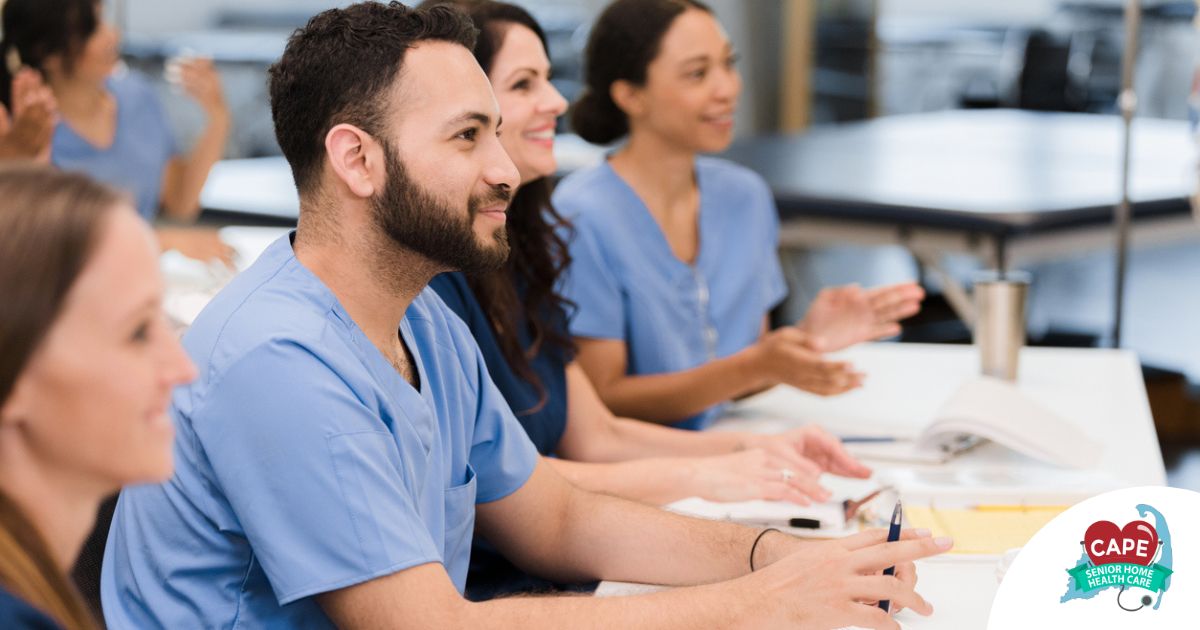
Professional development is more than orientation or completing a few required courses. For senior caregivers, it is the steady process of learning and improving the skills needed to support older adults in meaningful ways. This may include hands-on training programs, short workshops, online modules, mentoring, or more structured formal coursework for students and those who hope to advance in the nursing field later on.
Many caregivers also explore introductory training for roles such as certified nursing assistant (CNA) or even take steps toward becoming a registered nurse, especially when they discover a passion for the long term care field. Although home care is different from nursing homes, caregivers often interact with health professionals, care coordinators, and other stakeholders who appreciate knowledgeable, well-prepared workers.
As care needs evolve, professional development helps you understand how to support individuals living with chronic conditions, mobility challenges, and cognitive changes. It also helps you communicate well with a family member who may feel anxious or overwhelmed, especially when a loved one is aging or recovering from an illness.
The goal is simple. Strong professional development helps you feel confident, compassionate, and capable as part of a growing home care workforce. Let’s see how it can benefit your effectiveness and quality of care.
How Professional Development Improves the Quality of Care
A Boost in Confidence and Competence
The more you learn, the more capable you feel. Senior caregivers often share that training helps them feel less overwhelmed, especially when facing new or challenging situations.
You feel:
- More confident helping with mobility
- More prepared to talk with family members
- Better able to respond to memory changes
- More comfortable supporting emotional needs
Confidence makes your work more enjoyable and reduces stress.
A Path Toward Caregiver Career Advancement
If you want to grow in your caregiving career, professional development opens the door. With the right experience, training, and practice, many senior caregivers move into roles such as:
- Lead caregiver or mentor
- Care coordinator
- Dementia care specialist
- Training support staff
- Team lead or shift supervisor
Some even advance into home care office positions or continue education toward nursing. Your training shows that you take your career seriously, which helps you stand out to home care agencies and families.
Support for Your Own Well-Being
Caregiving is rewarding, but it can be physically and emotionally demanding. Many training programs now include education on:
- Stress management
- Healthy boundaries
- Self-care strategies
- Preventing compassion fatigue
These tools provide assistance to help you stay grounded and avoid burnout so you can continue doing work you love.
How Professional Development Helps You Grow as a Caregiver
As senior caregivers participate in training programs, they often notice that their confidence grows steadily. Learning safe transfer techniques, better communication strategies, or ways to respond to behavioral changes helps the work feel more manageable.
Professional development also helps you understand how the services offered through home care connect with the larger world of health care, which improves your ability to assist clients and communicate with employees from hospitals, rehabilitation centers, and community organizations. It encourages growth beyond daily care.
When caregivers gain specialized skills, they may qualify for additional responsibilities within a home care company or care organization. You may take on mentoring for new caregivers or support scheduling teams by sharing insights about client needs. As you continue to grow, you might build leadership skills that prepare you for supervisory responsibilities or help you take an active role in improving the services your agency provides across Yarmouth Port, MA and Chatham, Dennis, Falmouth, Harwich, and Barnstable, MA.
Some caregivers choose to go even further by exploring higher education, pursuing certification in specific areas, or completing classes that strengthen both technical and interpersonal competencies. Others enjoy attending conferences or participating in specialty workshops that introduce new techniques and connect them with professionals in related fields, including those from nursing homes, hospitals, and community-based long term care programs.
All of these steps contribute to a stronger, more resilient caregiving workforce and help senior caregivers build a meaningful career rooted in compassion and skill.
How to Approach Professional Development as a Caregiver
A good starting point is to think about the areas where you want to grow. You may want stronger communication skills, a better understanding of mobility support, or more confidence around dementia care. Once you identify your goals, you can choose training programs and courses that move you in the right direction.
Seeking guidance from a mentor can also be helpful. Watching how an experienced caregiver supports clients, communicates with families, or handles unexpected situations can give you practical insight that complements formal training. Mentors often help caregivers develop habits that make daily work smoother and more enjoyable.
It also helps to choose learning opportunities that align with your interests. If you enjoy supporting clients with memory loss, dementia courses or specialized classes may feel especially meaningful. If you prefer assisting with recovery after illness or surgery, training related to post-hospital care may be a better fit. Many caregivers find that the more connected they feel to their training, the easier it is to apply new knowledge in daily work.
Home care agencies, including Cape Senior Home Healthcare, often encourage ongoing learning by offering on-the-job education, online modules, specialty tracks, and opportunities to meet with coordinators who can address questions. This support can guide you as you look for the training that fits your goals in Yarmouth Port, MA and Chatham, Dennis, Falmouth, Harwich, and Barnstable, MA.
Putting Your Growth into Action
As you participate in training, you will notice this helps you see the bigger picture. You will understand how your home care services connect with the larger world of healthcare, improving your ability to assist clients and communicate with professionals from hospitals and community organizations.
How to Get Started:
- Identify Your Goals: Start by thinking about where you want to grow. Do you want stronger communication skills, a better understanding of mobility support, or more confidence in dementia care? Your goals will help you choose the right training.
- Seek a Mentor: Learning from an experienced caregiver is invaluable. Watching how a mentor supports clients, communicates with families, or handles unexpected situations provides practical insights that complement formal training.
- Follow Your Interests: Choose learning opportunities that align with what you enjoy. If you feel a connection to clients with memory loss, dementia courses will be especially meaningful. If you prefer assisting with post-surgery recovery, training in that area may be a better fit.
Home care agencies like Cape Senior Home Healthcare often encourage ongoing learning by offering on-the-job education, online modules, and specialty tracks. These agencies can guide you toward the caregiver training resources in Yarmouth Port, MA and Chatham, Dennis, Falmouth, Harwich, and Barnstable, MA that fits your unique goals.
Seeing the Impact of Professional Development
The difference that professional development makes often appears in small but important ways. You may notice that you feel calmer in challenging moments or more comfortable speaking with a family member about changes in a client’s routine. You might discover new techniques that reduce your client’s stress, or find that coworkers turn to you for guidance because of your growing expertise. These are signs that your effort is paying off.
Over time, consistent learning builds a sense of stability and purpose. It helps you see caregiving not only as a job but as a meaningful part of the larger health care industry, where skilled and compassionate senior caregivers play a crucial role!
Bringing Your Skills From Good to Great
Professional development is one of the most valuable investments that professional caregivers can make. It strengthens your skills, supports the seniors you serve, and opens doors to future career pathways. Whether you decide to pursue CNA training, explore higher education, or simply add new tools to your daily skills, each step helps you grow.
If you are ready to join a compassionate caregiving community and continue developing your skills, Cape Senior Home Healthcare is ready to help! Reach out to learn about local caregiver opportunities and growth-focused support for senior caregivers in Yarmouth Port, MA and Chatham, Dennis, Falmouth, Harwich, and Barnstable, MA. Our services include: Alzheimer’s/Dementia Care, Companionship, End of Life Care, Live-in 24-Hour Care, Meal Preparation, Medication Reminders, Personal Care, and Veterans Care.