If you are thinking about a career where you can feel proud of the work you do, you are already asking the right questions. Many people reach a point where they want more than clocking in and out. You may be looking for work that feels steady, meaningful, and genuinely human. Something that fits your life and reflects who you are.
That is why non medical home care is drawing more people than ever. It offers a chance to build a career centered on relationships, trust, and helping others live well at home. Caregiving careers provide stability, flexibility, and a strong sense of purpose, often without requiring years of schooling or a medical background. For many, becoming an in home caregiver is not just a job, it is a role where they feel valued and needed.
This article will walk you through what non medical home care really looks like, why demand continues to grow, and how this path may be the right fit if you want work that matters and a future you can feel good about.
What Is Non Medical Home Care?
Non medical home care focuses on helping older adults and individuals with disabilities with daily living activities (or ADL’s) so they can remain safely at home. It is not the same as skilled medical care or home health services. Instead, it is about consistent support, companionship, and practical assistance.
As a caregiver, you may work through a senior home care provider like Cape Senior Home Healthcare, supporting clients throughout Yarmouth Port, MA and nearby communities such as Chatham, Dennis, Falmouth, Harwich, Barnstable, MA. Your work takes place in a client’s loved one’s home, not in a facility.
What Home Care Services Typically Include
Non medical home care services are tailored to each person’s unique needs and may include:
- Personal care such as bathing, dressing, and grooming
- Help with eating, meal preparation, and light housekeeping
- Medication reminders and basic wellness monitoring, like noting changes in blood pressure when trained
- Transportation and errands
- Companionship and social connection
- Senior care support for individuals with dementia, diabetes, or mobility challenges
- Respite assistance for family caregivers
These services support independence, safety, and overall health while allowing clients to remain in the house they know and love.
Why Non Medical Home Care Is in High Demand
The Growing Need for Senior Care
The population is aging rapidly across the country, and most older adults want to age in place. Many families are trying to find care that feels personal, reliable, and affordable.
Non medical home care fills that gap by offering personalized senior home care without the high cost of institutional settings. As a result, demand for caregivers continues to grow.
According to labor data, roles like home care aide are expected to grow much faster than average. That growth translates to job stability and long term opportunity.
Families Need Trusted Support
Adult children are often caring for an aging loved one while balancing work and family life. A daughter caring for her mom, for example, may need help during the week so she can keep her job and avoid burnout.
Caregivers provide the steady presence that families rely on, offering peace of mind and consistent quality care.
Why People Are Choosing Caregiving Careers
Purpose You Can Feel
Caregiving careers appeal to people who want their work to matter. You help someone stay safe, supported, and connected to their routine, their friends, and their community.
That sense of purpose is hard to replace in other industries.
Competitive Pay and Real Benefits
Many people are surprised to learn that non medical home care can offer competitive pay, steady hours, and meaningful benefits. While pay varies by role and experience, growing demand has led many agencies to improve wages and caregiver support.
Beyond financial benefits, caregivers often say the emotional rewards are just as important.
Flexibility and Support
Schedules are often flexible, making it easier to balance caregiving with school, family, or other responsibilities. Working with a compassionate provider helps caregivers feel supported, not overwhelmed.
What In Home Caregivers Do Each Day
As an in home caregiver or home care aide, your day is centered on routine, connection, and trust. While some tasks are physical, others rely more on emotional awareness and communication.
A Realistic Caregiving Scenario
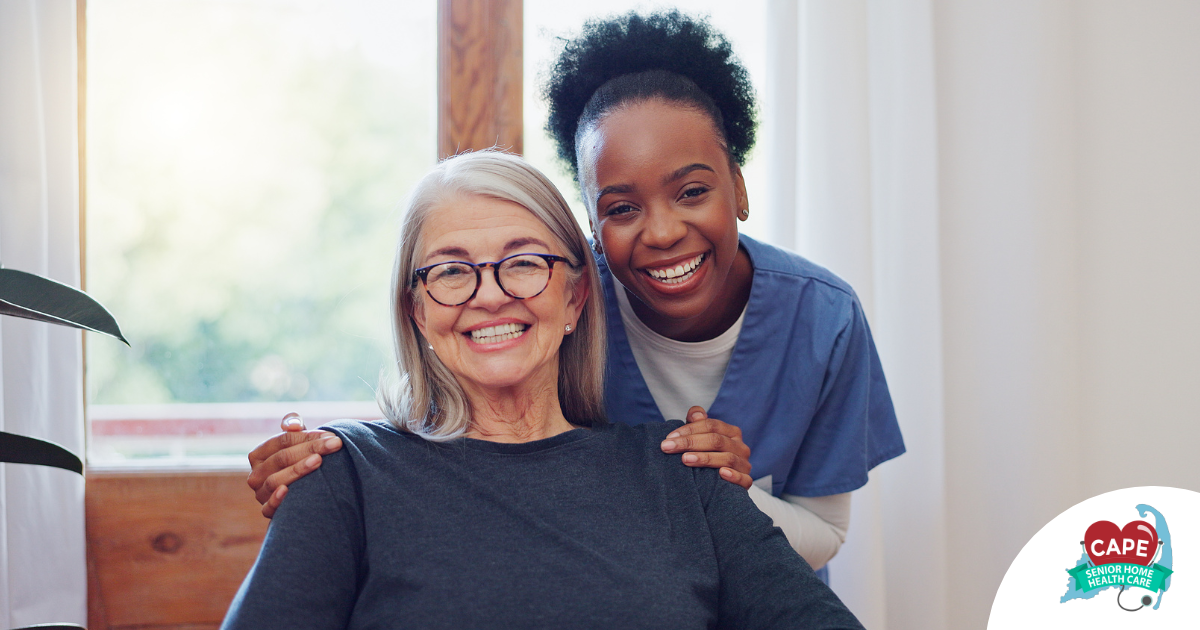
You arrive for a morning visit with someone who lives on their own. You help them get dressed at their own pace, make a simple breakfast, and take a few minutes to ask how they slept. You notice the little things, how their energy feels today, whether they seem comfortable, and you pass along anything important to the care team.
You share conversation, maybe a laugh, encourage a short walk or light movement, and help keep their home feeling safe and familiar. Before you leave, you make sure they feel settled and at ease.
There is no rush. This is thoughtful, relationship centered care built on trust.
Building Skills as a Caregiver
Non medical home care helps you develop valuable caregiving skills, including:
- Communication and emotional intelligence
- Time management and organization
- Observational skills related to health and safety
- Problem solving for specific needs
- Understanding how personality affects care
These skills are transferable across many health care and human service roles.
Growth and Long Term Opportunity in Home Care
Career Advancement
Many caregivers grow into senior caregiver roles, mentoring positions, or specialized senior care assignments. Agencies value caregivers who are committed, dedicated, and reliable.
A Path Into Health Care
Non medical home care can be a stepping stone into broader health care careers. Some caregivers pursue nursing, therapy, or social work after gaining hands on experience.
Common Questions About Caregiving Careers
Is caregiving stressful?
Like any people focused role, caregiving can be emotionally meaningful. Supportive agencies help prevent burnout by offering realistic schedules, open communication, and strong supervision. The Family Caregiver Alliance also offers practical articles, webinars, and videos designed to support both family and professional caregivers, making it a helpful resource for learning, encouragement, and ongoing growth in a caregiving career.
Will I be expected to handle medical or insurance tasks?
No. Non medical home care focuses on everyday support, companionship, and help with daily routines. As a caregiver, you are not responsible for medical treatments, insurance paperwork, or managing Medicare coverage.
Your agency clearly defines your role, provides training, and makes sure you understand the difference between non medical home care, home health, and medical services. That clarity helps you feel confident, supported, and focused on the care you provide.
Is this the right fit for me?
If you enjoy helping others, value relationships, and want work with purpose, this career may be the right fit. It is a chance to make a real difference while building a stable and meaningful path for yourself.
Why the Right Home Care Provider Matters
Not all home care services are the same. A quality provider invests in caregiver training, fair pay, and respectful communication.
At Cape Senior Home Healthcare, caregivers are treated as professionals and supported in their roles, which improves outcomes for both clients and staff. This people first approach aligns with what industry leaders identify as key to caregiver satisfaction. Services provided include Alzheimer’s/Dementia Care, Companionship, End of Life Care, Live-in 24-Hour Care, Meal Preparation, Medication Reminders, Personal Care, and Veterans Care.
If you are exploring caregiving careers and want work that combines purpose, stability, and growth, non medical home care may be the path you have been looking for!
Cape Senior Home Healthcare is always interested in individuals who are compassionate, reliable, and interested in making a difference through in home care and senior care across Yarmouth Port, Chatham, Dennis, Falmouth, Harwich, and Barnstable, MA and surrounding communities.
Reach out to learn more, discuss current opportunities, or begin the application process! Your time, energy, and care have value and this career gives you a meaningful way to use them every day.